
Switch Gears
Switchgear refers to a combination of electrical disconnect switches, fuses, or circuit breakers used to control, protect, and isolate electrical equipment within a power distribution system. It plays a critical role in the safe and reliable operation of electrical networks by controlling the flow of electricity and protecting equipment from faults. Switchgear is commonly used in power generation, transmission, and distribution systems, as well as in industrial and commercial facilities.
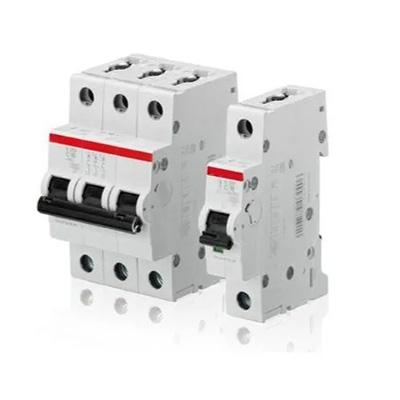
Components of Switchgear:
-
Circuit Breakers: Circuit breakers are devices that automatically interrupt electrical currents in the event of a fault or overload. They protect the electrical system from damage caused by excessive current.
-
Disconnect Switches: Disconnect switches are manual switches used to isolate equipment for maintenance or repair. They do not provide circuit protection but are crucial for safely de-energizing equipment.
-
Fuses: Fuses are protective devices that consist of a fuse element designed to melt and break the circuit in the presence of excessive current. They provide overcurrent protection.
-
Relays: Relays are devices that monitor electrical parameters such as current, voltage, or temperature. When preset conditions are met, relays can initiate actions such as tripping a circuit breaker.
-
Busbars: Busbars are conductive bars or strips used to distribute electrical power within the switchgear. They connect various components of the switchgear.
-
Control Panels: Control panels house the control and monitoring devices, such as switches, indicators, and meters, allowing operators to monitor and control the switchgear.
-
Protective Devices: Various protective devices, such as overcurrent relays and protective relays, are integrated into switchgear to enhance the protection of electrical equipment.
Types of Switchgear:
-
Low-Voltage Switchgear: Used for voltages up to 1,000 volts, low-voltage switchgear is common in residential, commercial, and industrial applications. It includes distribution panels and motor control centers.
-
Medium-Voltage Switchgear: Designed for voltages between 1,000 and 33,000 volts, medium-voltage switchgear is used in industrial facilities, power distribution networks, and large commercial buildings.
-
High-Voltage Switchgear: High-voltage switchgear is designed for voltages above 33,000 volts and is typically used in power transmission and distribution substations.
-
Metal-Enclosed Switchgear: Metal-enclosed switchgear consists of metal compartments to house the electrical components, providing safety and protection against environmental factors.
-
Gas-Insulated Switchgear (GIS): GIS uses sulfur hexafluoride (SF6) gas as an insulating medium, allowing for compact design and high reliability. It is commonly used in high-voltage applications.
-
Air-Insulated Switchgear (AIS): AIS relies on air as the insulation medium between conductors. It is less expensive than GIS and is often used in medium-voltage applications.
-
Ring Main Unit (RMU): RMU is a compact type of switchgear commonly used in urban areas. It integrates multiple functions, including circuit protection, disconnection, and monitoring.
-
Switchgear Panels: Switchgear panels are modular assemblies containing various switchgear components, providing a compact and organized solution for electrical distribution..
Switchgear is a critical element in maintaining the reliability and safety of electrical power systems. Proper design, installation, and maintenance of switchgear are essential to ensure efficient and secure operation of electrical networks. Additionally, adherence to safety standards and regulations is crucial for the protection of personnel and equipment.
Enquire Now